Leak Detection
Before any pipe is replaced, detection confirms exactly where the failure is — so repair scope is based on evidence, not suspicion.
Leak detection in SchaumburgFrom a single leaking joint to a whole home of failing galvanized pipe, pipe work is a judgment call as much as a repair. We fix the section that's actually failing, pressure-test the result, and give you a straight, evidence-based answer about the rest of your system — repair, partial repipe, or full repipe, only when the pipes themselves make the case.
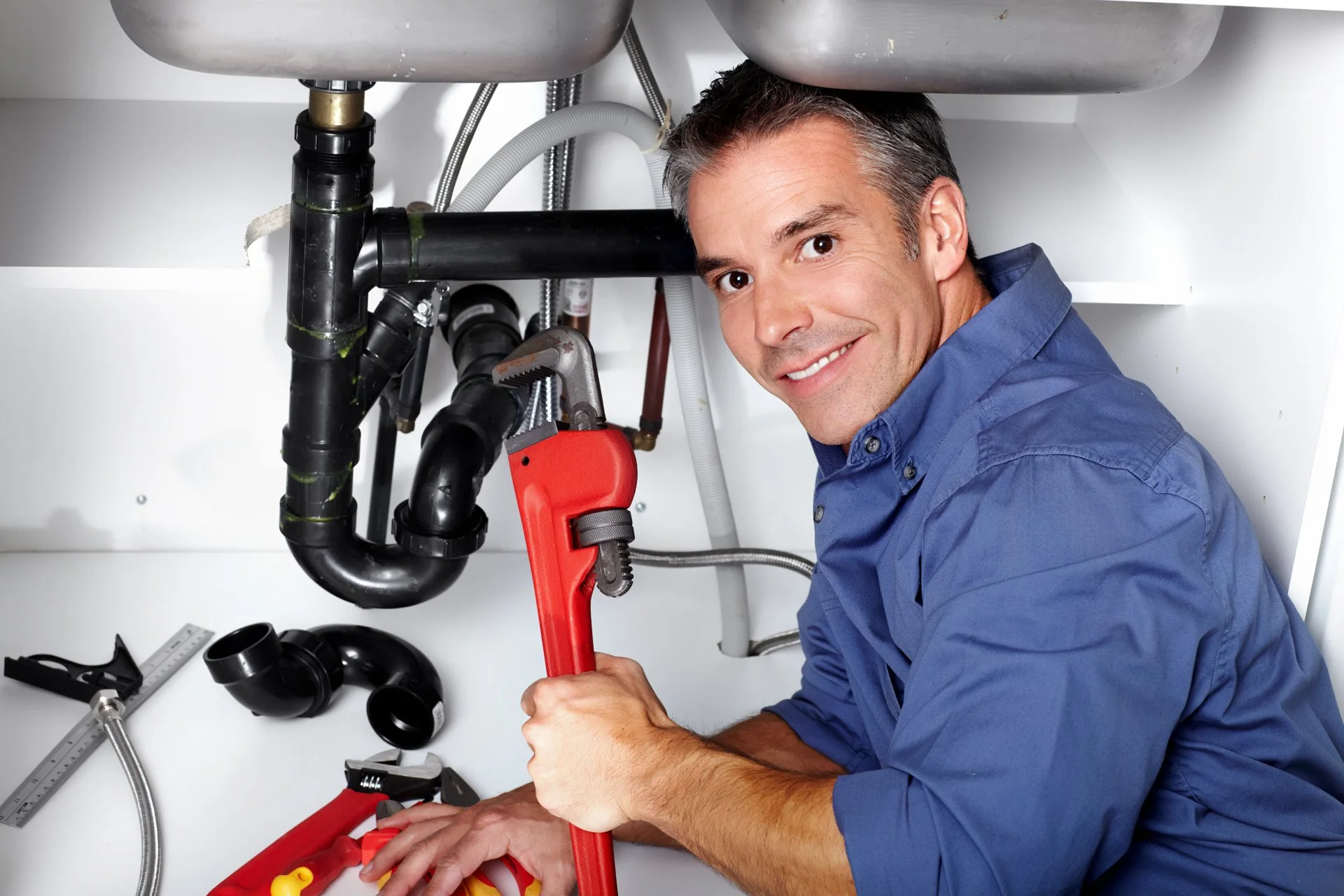
Most pipe calls are not whole-home problems. A joint lets go behind a shower wall, a freeze splits a garage line, corrosion eats through one elbow under a sink — and the right fix is a spot repair: the failed section cut out and replaced, the system pressure-tested, the wall closed with the smallest possible opening. Anyone who turns every leaking joint into a repipe conversation is selling, not plumbing.
But some Schaumburg homes genuinely are at the end of their pipes' lifespan, and pretending otherwise costs the homeowner a leak a season, forever. The usual suspect is galvanized steel, common in the village's earlier construction: it corrodes from the inside, narrowing the waterway with rust until pressure fades and the water itself runs discolored — and eventually the thinned wall fails. Aging copper develops pinhole leaks, especially where water chemistry and decades of flow wear the same spots. When failures repeat across different parts of the house, the pattern — not any single leak — is the diagnosis: the material has aged out, and repiping replaces the water lines throughout the home, typically in modern copper or PEX, often routed through walls and ceilings so old lines can be abandoned in place rather than excavated.
Between spot repair and full repipe sits the option many homes actually need: a partial repipe of the failing branch or material — the galvanized section, say, while sound copper stays. Our assessments lay out all three where they apply, with the evidence for each: where the leaks have occurred, what the pipe interiors look like where we've opened them, and what your pressure and water quality are telling us. You decide how much pipe to replace, with the full picture — and the pressure test at the end proves whatever was done was done right.
Individual leaks happen. Patterns mean the system is talking to you.
Pressure that fades year over year — especially with rusty water — is the signature of galvanized pipe narrowing from the inside with corrosion.
Brown or yellow water when you first run a tap after the house sits is rust breaking loose inside deteriorating lines — the pipes announcing their age.
One leak is an incident. A second and third in different parts of the house within a couple of years is a system reaching end of life — the pattern is the diagnosis.
Repeat freezes mark lines routed through uninsulated exterior walls or garages. After the thaw repair, rerouting or insulating that run ends the annual ritual.
Water hammer — the bang when a valve shuts — stresses joints and fittings over time. It's both a symptom of pressure problems and a slow cause of future leaks.
Green patina crust, white mineral buildup, or rust weeping on the pipes you can see in the basement is a fair preview of the pipes you can't see in the walls.
We examine the failed section and the system's overall condition — exposed runs, pressure, water quality, and your leak history — before recommending scope.
Spot repair, partial repipe, or full repipe — each applicable option explained with its reasoning and priced completely before you choose.
Failed sections are cut out and replaced in copper or PEX; repipes are routed to minimize wall openings and keep water service interruptions as short as planned.
The repaired system is pressure-tested and every fixture run in front of you. Pressure restored, water clear, joints dry — then we clean up.
Read a Schaumburg home's pipes and you read its construction date. The village's early growth brought galvanized supply lines that are now 50-plus years into a roughly 40–50 year design life — the pressure complaints and rusty-water calls we take from the older subdivisions are that arithmetic arriving on schedule. The copper era that followed has held up better, but those homes are now old enough for joint fatigue and pinhole corrosion, especially in lines stressed by decades of freeze-thaw cycles. Newer construction west of the village center runs modern materials with different, smaller problems — and a longer runway before any of this matters.
That era map shapes our advice. For a galvanized home with repeat symptoms, we'll show you what the pipe interior looks like where we opened it — the rust constriction is persuasive all by itself — and walk through repipe economics honestly, including staging the work if a full repipe isn't in this year's budget. For a copper home with its first pinhole, the advice is usually the opposite: repair it, keep an eye on the pattern, and don't let anyone talk you into replacing a system with decades left. The pipes make the recommendation; we just translate.
We repair and repipe homes across Schaumburg, Hoffman Estates, Palatine, Elk Grove Village, Roselle, and Rolling Meadows. If your pressure is fading, your water is discoloring, or a leak has you worried, call (224) 524-0786 for an assessment that starts with evidence.
How to think about the repair-versus-repipe decision — the questions we hear most.
Both are proven materials with long service lives. PEX is flexible, resists corrosion and scale entirely, tolerates freezing better, and routes through walls and ceilings with fewer joints — which usually means less demolition and a faster install. Copper is rigid, extremely long-lived, and preferred by some homeowners for exposed runs and its track record. We'll walk through the trade-offs for your home's layout and budget; there's no universally right answer, only a right fit.
Far less than most people expect. New lines are typically routed through ceilings, closets, and wall cavities with small, planned openings at fixture locations — not open trenches through rooms — and failing under-slab or in-wall lines are simply abandoned in place rather than excavated. You'll know exactly which openings are planned before work starts, and patching a handful of small, known holes is a very different project from the demolition most homeowners imagine.
Look at the pattern, not the incident. A single leak in an otherwise healthy system is a repair. Repeat leaks in different areas, fading pressure house-wide, rusty water, and visible corrosion on exposed runs together make the repipe case — especially in galvanized systems past their design life. Our assessment shows you the evidence either way: if your pipes have years left, we'll say so and just fix the leak.
Usually, yes — an accessible burst section is cut out and replaced, the system is pressure-tested, and water service is restored in the same visit. The exceptions are bursts inside finished walls or under slabs, where access takes longer, and freeze events with multiple split sections that reveal themselves one thaw at a time. Either way, step one is the same: shut off your main and call (224) 524-0786.
A single-section repair and a whole-home repipe are different universes of work, and any honest price starts with an assessment of your home's size, pipe material, and access. What we guarantee is the process: the scope options explained with their reasoning, one complete price per option quoted before work begins, and no expansion of scope mid-job without your approval. A repipe is a significant investment — you should never buy one from a phone quote.
Before any pipe is replaced, detection confirms exactly where the failure is — so repair scope is based on evidence, not suspicion.
Leak detection in SchaumburgPipe already burst and water running? That's an emergency call — shut the main off and phone us immediately.
Emergency plumber in SchaumburgRepipes and heater work often meet at tired supply valves and connections. We assess both honestly on the same visit.
Water heater repair in SchaumburgWe'll inspect the pipes, show you the evidence, and price only the work your home actually needs.
Call (224) 524-0786